
Showing posts with label Herbs & Spices. Show all posts
Showing posts with label Herbs & Spices. Show all posts
Saturday, November 28, 2020
My New Favorite Spice: Paprika

Tuesday, June 2, 2020
The Many Uses of Crushed Red Pepper Flakes

By then I was a regular customer
Wednesday, February 26, 2020
Harissa: What Is It and How Do I Use It?

In many North African countries, harissa is as common as olive oil is in
Italian restaurants. In the U.S.,
harissa (sometimes called harissa paste) is widely available on the Internet
but not necessarily found at supermarkets.
Tubes of harissa paste can cost as little as $5.
That little tube
could last for a year or, if you are a spicy food fanatic, it could be squeezed
out in a week. I shook a few drops of
harissa onto leftover mashed potatoes the other evening, and it added an
interesting dab of flavor.
Sunday, December 1, 2019
Pesto: What Is It and How Do I Use It?

Pesto is a combination of fresh basil leaves, pine nuts,
olive oil, garlic, salt and Parmesan cheese.
For whatever reason, it was not on my radar until about 10 years ago
when a foodie friend started telling me how easy it was to make. He didn’t have any for me to sample, so I
forgot about it for a few years until I stumbled on a jar of pesto in the
refrigerated section of Costco. I
decided to try it as a pasta sauce.
It was an immediate hit.
Pesto, which originated in Italy, has a strong, fresh basil taste and is
a very good topping for spaghetti, ravioli and other stuffed pasta. As the cook, I find it incredibly
convenient. It has now become my family’s emergency meal.
Have I ever made pesto from scratch? No.
Call me lazy, but it’s a lot easier to have pre-made pesto in the
refrigerator than having to rush out to the store to buy fresh basil leaves.
For easy recipes, order "Help! My Apartment Has a Kitchen!"
Tuesday, October 22, 2019
Sage: What Is It and How Do I Use It?

I always think of sage as a spice that belongs in Thanksgiving stuffing. I used it years ago, back in the days when I didn’t know much about any spice other than garlic. I may well have just dumped a couple tablespoons of dried sage into the stuffing and didn’t mix it well. In fact, I’d probably had that bottle of sage for years.
Saturday, May 4, 2019
Question for Mom

Are fresh ginger and ground ginger interchangeable? – Stephanie A.
I used to think they were, but after doing some research I discovered that the answer is NO. Ground ginger is the spice of choice for baking. I’ve often used it in stir-fries, soups and casseroles, and it provided a good flavor. So I seldom go to the trouble of peeling and dicing fresh ginger.
I did wonder why fresh ginger didn’t seem to add much flavor, but
Wednesday, February 13, 2019
Mom Money-Saving Tip 102

What should you do with leftover fresh parsley? It doesn’t cost much, so there’s a great
temptation to 1) let it rot in the fridge, or 2) toss it out. Here’s a third option. Microwave it until it dries out. It takes
less than 2 minutes to go from fresh to crunchy. Then crumble it with your
fingers and store it in a closed container.
Saturday, January 26, 2019
Turmeric Root: What Is It and How Do I Cook with It?

When a new food item appeared in my local cut-price supermarket,
I figured that some people were already fans, while lots of others were
wondering what it was. I was a wonderer, which is how I came
to buy some fresh turmeric root.
Tuesday, November 13, 2018
Mom Cooking Tip 154

Do you have a lot of garlic cloves to peel? Separate them from the bulb and microwave them for 20 seconds. The bigger cloves will almost peel themselves. The smaller ones are a bit more fiddly, but the skins will slip off without too much effort.
See all my Cooking Tips!
Tuesday, August 28, 2018
Tandoori Spice: What Is It and How Do I Use It?

A popular spice used to flavor such Indian dishes as Tandoori
Chicken, Tandoori Shrimp, Tandoori Fish, Chicken Tikka, Chicken Tikka Masala,
Lamb Kebabs and Seekh Kebabs, tandoori spice is actually a combination of
spices. The mix varies, depending on who
made it, but it most likely includes cardamom, cayenne pepper, coriander, cumin,
garlic powder, ginger, paprika, turmeric and perhaps a pinch of saffron. It is dark orange in color and packs quite a
taste wallop. But it’s not burning to
the tongue unless it’s overloaded with cayenne pepper.
If you like your
food richly flavored,
Thursday, June 28, 2018
When a Recipe Ingredient Looks Wrong

I have often clipped out a recipe from a newspaper’s food
page and then the following week noticed a correction. Maybe the cooking time was wrong or an
ingredient was left out. Had I followed the recipe, it might have been a
disaster.
Such corrections make me cautious when trying new recipes. Now I always read through the ingredients
and directions several times, looking for anything that might be off. Baking cookies at 500 degrees—no way.
Thursday, June 14, 2018
Dijon Mustard: What Is It and How Do I Cook with It?

When I first heard the words “Dijon Mustard,” I thought,
How exotic!” Instead of being limited to
American brown mustard and bright yellow mustard, a new world of choices was
opening up.
Saturday, June 9, 2018
Do You Love Garlic?

There was a time when the only kind of garlic available
to cooks was a head of fresh garlic. Garlic
presses flourished.
Thursday, May 3, 2018
Dry Spice Rubs: What Are They and How Do I Use Them?

Dry
spice rubs can be commercially-made or homemade mixtures of ground spices. Chefs use them to boost the flavor of whatever
they’re cooking. All they do is rub some
spice mixture on the uncooked meat, chicken or fish and then bake, grill or fry
it as normal.
In
addition to varying the taste of whatever is being cooked, dry spice rubs are
an excellent way to use up spices you have on hand and are ending their use-by
date.
Dry
spice rubs normally contain at least five different ingredients, but depending
on what you’re cooking the spices will vary. For instance, my dry spice rub for Baby Back Ribs is made up
of paprika, chili powder, salt, black
pepper, cayenne and nutmeg.
Experts
say
Tuesday, April 24, 2018
Vanilla: Why Does It Cost So Much Today?

I got some real sticker shock a few days ago when I
bought a large bottle of vanilla extract. A few years ago a 16-ounce bottle cost
$8. That same bottle now sells for $34.
I do a lot of baking, especially with chocolate, and I
never skimp on the vanilla. It was
probably my first unwritten cooking rule—Honor
the vanilla. Never use imitation
vanilla, made from something called vanillin.
The Nancy Drew in me did some research and discovered a
few reasons why vanilla extract has shot up in price.
Saturday, March 31, 2018
Tellicherry Peppercorns: What Are They and How Do I Use Them?
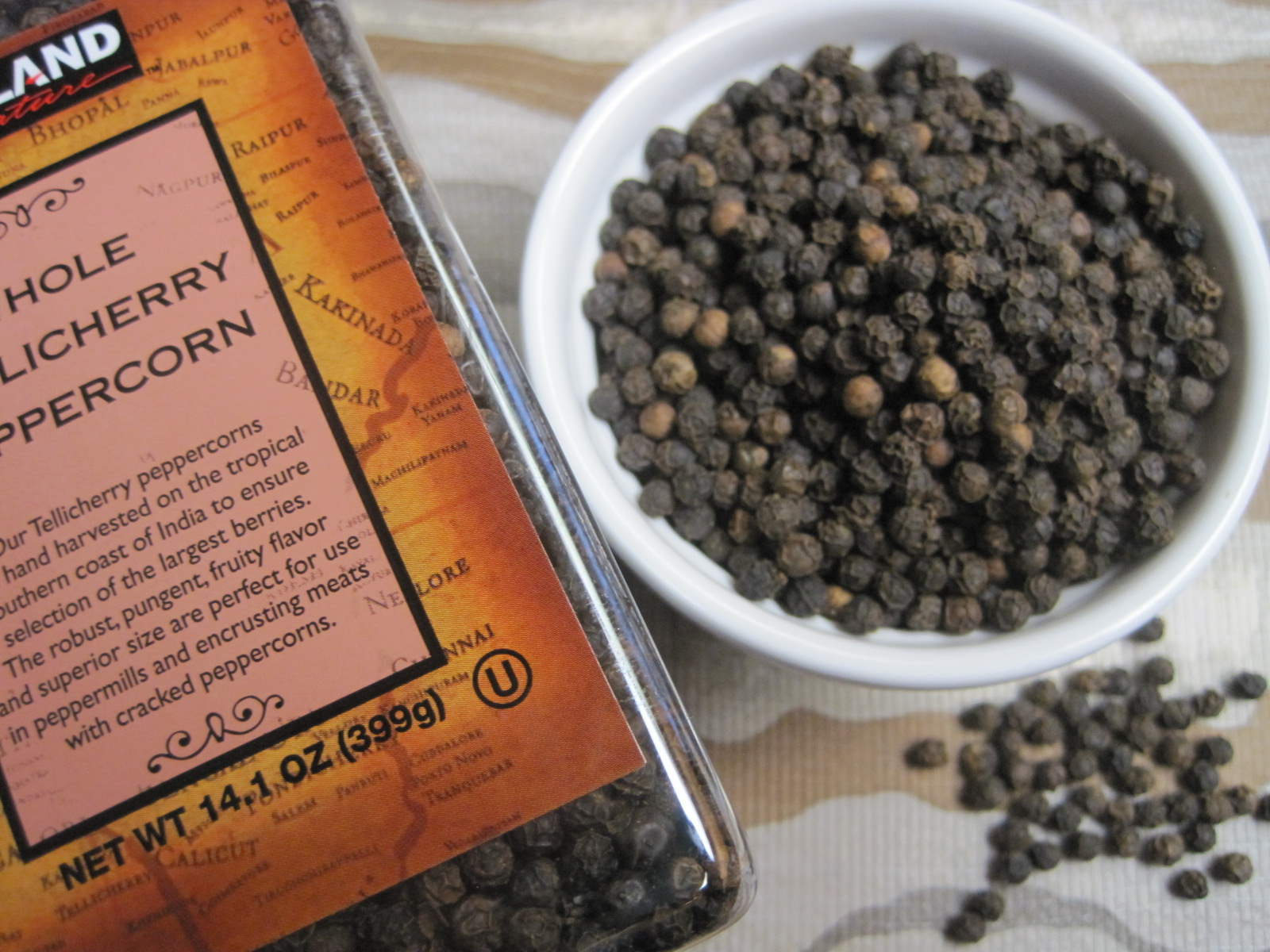
Black pepper is simply black pepper – right? Actually that’s not true, but I only recently
realized it. When I first began cooking,
black pepper was not a spice I gave much thought to. My only concern was that I not add too much of
it and ruin the dish.
Then as I became more familiar with Indian cuisine and
new flavors, I began building up my spice rack.
That’s when I discovered Szechuan Peppercorns. I used them sparingly because they were
expensive, and also they provided a distinctive taste that I didn’t want every
day.
More importantly, though, I became more aware that black
pepper wasn’t just a generic spice.
Sunday, March 25, 2018
Mom Cooking Tip 142
 |
| Pizza Dough with Oregano and Minced Dried Onions Added |
See all my Cooking Tips!
Wednesday, January 24, 2018
Nutmeg Grater: What Is It and How Do I Use It?
 |
| Clockwise from left: Nutmeg Seeds, Ground Nutmeg, Nutmeg Grater |
Nutmeg is actually a large seed, about 1 inch in length. It’s brown in color and oval in shape.
Also available pre-ground, nutmeg is a popular baking
ingredient. It provides a distinctly sweet but delicate flavor to eggnog, bread,
vanilla ice cream and fruit desserts.
Try it in Apple Streusel Pie.
Wednesday, January 10, 2018
Mom Cooking Tip 134

When adding dried herbs to a dish, crush them between your fingers. This action will help release their flavor.
See all my Cooking Tips!
Friday, October 20, 2017
Question for Mom

What is the difference between salted and unsalted butter? –
Jack E.
See all Questions for Mom
Subscribe to:
Posts (Atom)